

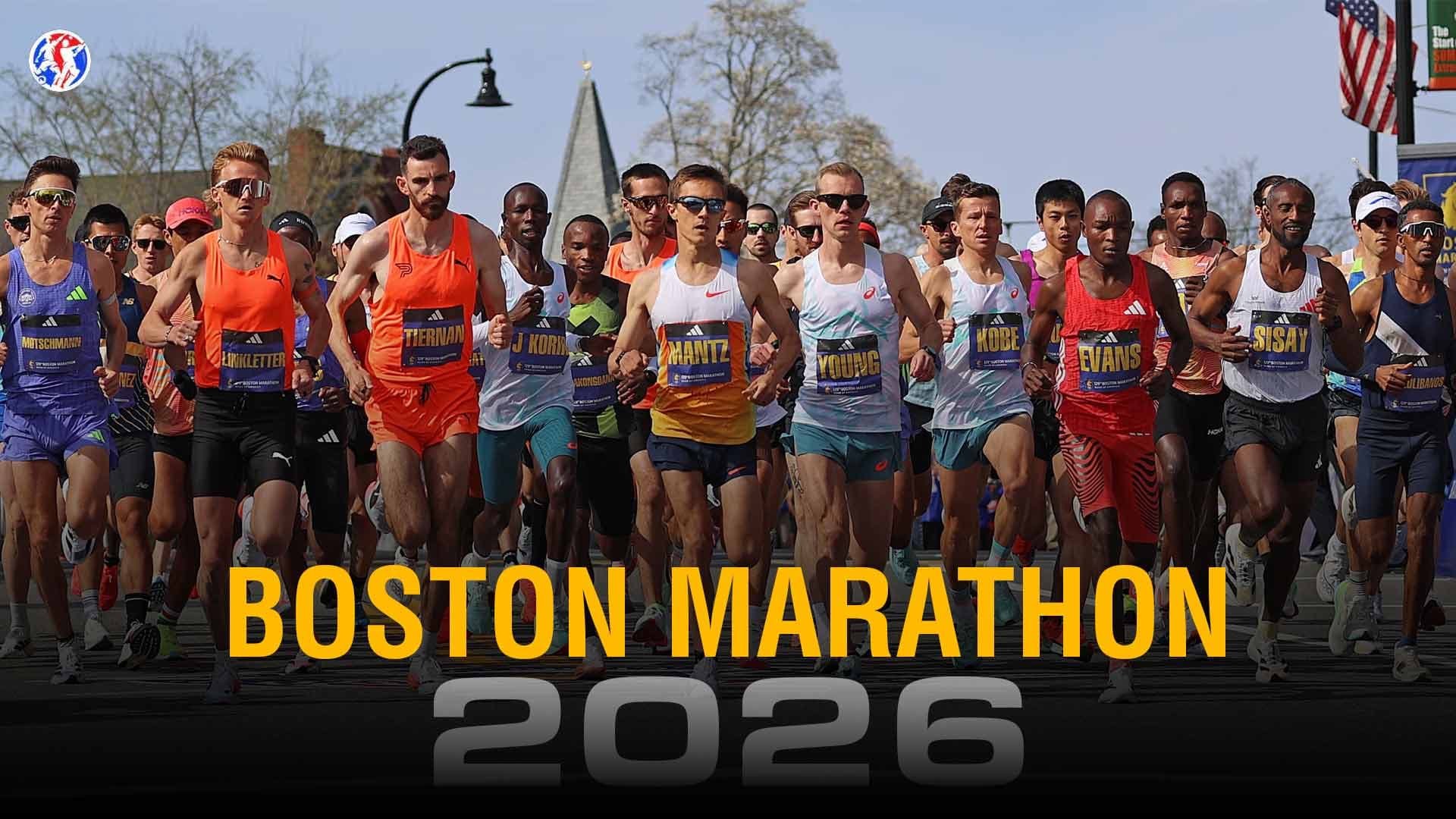
The 2026 edition of the Boston Marathon will be remembered for something no one really saw coming. In a race usually defined by pace, splits, and personal bests, the most lasting moment had nothing to do with who won.
On April 20, during the 130th running of the event, things took a dramatic turn near the finish line on Boylston Street. Ajay Haridasse, just 21 and running his first marathon, began to struggle badly. Dehydration and cramps had taken over, and within moments, he was down on the road. Still, he tried to push forward, even attempting to crawl the final stretch in a desperate bid to finish.
When the finish line stopped being about time in the Boston Marathon
What followed is the reason this story has traveled far beyond the running community. Two runners nearby, Aaron Beggs and Robson de Oliveira, slowed down, looked back, and made a decision that most wouldn’t in that situation. They stopped.
There was no hesitation for long. Both knew exactly what it meant. Stopping there, so close to the line, meant giving up their own times, something runners train months for. But they turned around anyway, picked Haridasse up, and supported him as the three moved forward together.
It wasn’t clean or smooth. All three were clearly exhausted. But step by step, they made it to the finish, not as competitors anymore, but as something closer to teammates in that moment.
The footage spread quickly online, and it’s easy to see why. In a sport where every second counts, watching two athletes give that up for someone they didn’t even know struck a chord. It felt real, unscripted, and rare.
There’s also something about the timing of it. The final stretch of a marathon is supposed to be about one last push, one last sprint. Instead, this became a shared effort, where finishing together carried more meaning than crossing alone.
All three runners eventually made it across the line. For Haridasse, it meant completing something that had almost slipped away. For Beggs and de Oliveira, it meant walking away without their best times but with something far more lasting.
Moments like this don’t show up often, especially in events as intense as a marathon. But when they do, they tend to stick. Not because they are dramatic, but because they remind people why sport matters in the first place.