

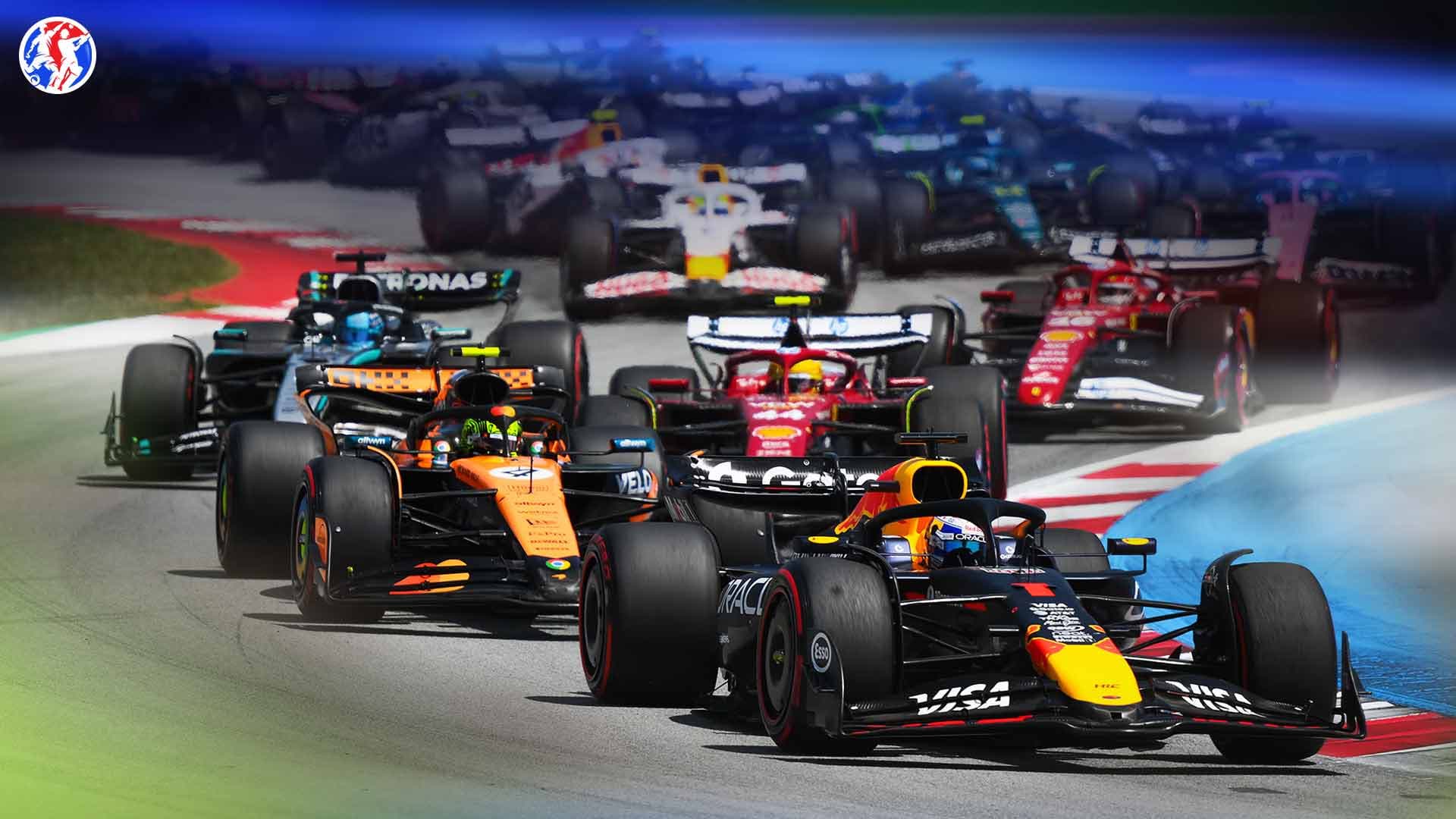
Formula 1 has hit an unplanned five-week pause just after just three races into the 2026 season. The Bahrain and Saudi Arabian Grands Prix have both been cancelled due to the ongoing conflict in the Middle East, leaving teams, drivers and fans waiting until the Miami Grand Prix on May 1-3 for the next race. Kimi Antonelli won the most recent round in Japan, but the momentum of a new regulatory era has now been interrupted by events well outside the sport's control. The cancellation was confirmed on March 14, just under a month before F1 was due to travel to Bahrain. According to ESPN report, the call on Bahrain was relatively straightforward given safety concerns, but the decision around the Saudi Arabian Grand Prix on April 19 was less clear-cut. Ultimately, the instability in the region made both races impossible to sanction. The sport's complex logistics, including freight shipping deadlines for teams, meant the decision had to come early.
Why A Replacement Race Was Never Realistic
The five-week gap between the Japanese Grand Prix and Miami is the longest mid-season break F1 has faced in recent memory, and the question many fans are asking is why the sport could not simply find a replacement venue. And the answer is - F1's calendar is built months in advance. Staging a replacement race at short notice requires a venue ready to host immediately, full operational and organisational support already in place and enough lead time to sell tickets. None of that was achievable within the available window. There was simply no viable alternative to insert into the calendar.
Rescheduling was equally unrealistic. The 2026 calendar is already tightly packed and accommodating two additional races later in the year would have caused massive disruption across the rest of the schedule. Furthermore, with no certainty over how the regional situation will develop, postponing rather than cancelling carried its own risks. Cancellation provided the most stable path forward for the remainder of the season. It is worth mentioning that F1 still has two races planned in the broader region later in the year, Qatar on November 29 and the season finale in Abu Dhabi a week later. F1 chiefs remain pretty hopeful both will go ahead as scheduled.
What Teams Are Doing With The Break
Apart from the racing calendar, April is not entirely quiet for those involved in the competition. Popular tyre supplier Pirelli held a two-day development test at Suzuka immediately after the Japanese Grand Prix, with Red Bull and Racing Bulls each providing a car on March 31 and April 1. A wet-tyre test with Ferrari at Fiorano follows on April 9 and 10, before Mercedes and McLaren head to the Nurburgring, which last hosted F1 in 2020, for a dry-tyre test on April 14 and 15.
On the other hand, for the teams themselves, the five weeks serve very different purposes depending on where they sit in the standings. Williams, currently ninth in the Constructors' Championship on just 2 points, are using every available hour to address their early-season struggles. Team principal James Vowles was direct about it: "Every single hour we need in order to get ourselves back on the front foot by the time we come back to Miami."
For the Indian F1 audience reading this article, the break extends the wait for what has been a genuinely interesting new regulatory cycle and the next proper on-track action will not come until Miami practice on Friday, May 1.